Hytale Economy 101: How to Farm Smart, Trade Better, and Stop Going Broke
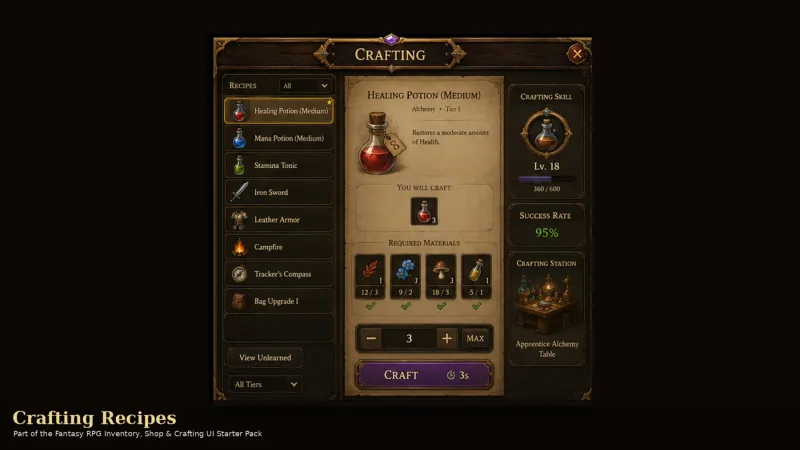
Photo: fantasy game economy trading crafting resources coins inventory, via cdnb.artstation.com
Let's be real: nothing kills the vibe of a great gaming session like running out of resources at the worst possible moment. You're deep in a dungeon, your gear is worn down, and you realize you don't have the materials to repair or replace it. Hytale's economy is designed to feel rewarding, but it can also feel punishing if you don't have a handle on the basics.
Good news: the fundamentals aren't that complicated once someone lays them out clearly. This guide is that someone.
Understanding the Core Currency Loop
Before you can play the economy well, you need to understand how currency actually flows in Hytale. At its most basic level, the game runs on a loop that looks like this: you gather resources, you either use those resources directly or convert them into crafted goods, and you trade the excess for currency or other materials you need.
The key insight that a lot of new players miss is that time is your most valuable resource. The most efficient players aren't necessarily the ones farming the rarest materials — they're the ones who've figured out which activities generate the best return for the time they invest. Keep that framing in mind as you read through the rest of this guide.
Tip 1: Know Your Playstyle Before You Optimize
Hytale accommodates a few distinct economic playstyles, and trying to do all of them at once is a recipe for mediocrity at each. Here's a quick breakdown:
- The PvE Farmer: You're happiest grinding mobs, clearing dungeons, and collecting drops. Your economic strength comes from volume — you generate a lot of raw materials, and your job is converting those efficiently.
- The Trader: You're less interested in farming and more interested in buying low and selling high. You pay attention to what other players need, spot inefficiencies in the market, and profit from the gap.
- The Adventurer/Crafter Hybrid: You do a little of everything — exploring, crafting, and occasionally trading. You're not maximizing any single activity, but you're flexible and self-sufficient.
None of these is objectively better than the others. But knowing which one fits how you actually play will help you make smarter decisions about where to spend your time.
Tip 2: Don't Sleep on Low-Tier Resources
New players often make the mistake of ignoring basic materials once they've leveled up a bit. Here's the thing — low-tier resources are almost always in demand because new players constantly need them and often don't have efficient ways to get them yet.
If you've got a fast, optimized route for farming common materials, that can actually be more profitable than spending the same time chasing rare drops with low probability. Consistency beats occasional jackpots more often than people realize.
Tip 3: Crafting Costs Are a Trap If You're Not Careful
Crafting is one of the most satisfying parts of Hytale, but it's also where a lot of players quietly drain their resources without realizing it. Before you commit to a crafting project, ask yourself three questions:
- Do I actually need this item, or do I just want to make it?
- Would it be cheaper to buy this from another player or vendor?
- What's the opportunity cost of the materials I'm using?
That third question is the one most beginners skip. Every material you put into a craft is a material you're not selling or using for something else. Sometimes the math works out clearly in favor of crafting. Sometimes it doesn't. Get in the habit of doing that quick mental calculation before you commit.
Tip 4: For PvE Farmers — Route Efficiency Is Everything
If grinding mobs and clearing content is your main economic activity, the single biggest upgrade you can make isn't better gear — it's a better route. A well-optimized farming route minimizes downtime, maximizes spawn density, and keeps you moving rather than waiting.
Spend some time early on experimenting with different areas and tracking (even loosely) what you're getting per hour. It doesn't have to be a spreadsheet — just a general sense of "this zone feels more productive than that one." Over time, that intuition gets sharper and your efficiency improves significantly.
Also: don't neglect secondary drops. The main loot from a mob is obvious, but a lot of the economic value in farming comes from the secondary materials that stack up over a long session. Those can add up fast.
Tip 5: For Traders — Information Is Your Actual Product
If you're leaning into the trader playstyle, the most important skill you can develop is market awareness. What do players need right now? What's about to become scarce because a popular quest requires it? What's currently overpriced because supply hasn't caught up with demand?
In multiplayer environments, trading rewards players who pay attention to the broader community — what people are talking about, what content they're running, what gear they're chasing. A trader who understands the meta can anticipate demand and position themselves accordingly.
Don't be afraid to specialize, either. Traders who try to deal in everything often end up with a cluttered inventory and mediocre margins. Picking two or three material categories and becoming genuinely knowledgeable about their price patterns tends to be more profitable.
Tip 6: Resource Management Separates Good Players From Great Ones
This applies to every playstyle. Running out of key materials mid-session isn't just annoying — it's an economic loss, because it forces you to either stop what you're doing or make suboptimal purchases under pressure.
Set personal minimums for your most-used consumables and materials. When you dip below that threshold, restocking becomes a priority. It sounds simple, but players who do this consistently almost never find themselves in the "wrong place, no resources" situation that derails sessions.
Also, keep an eye on your inventory weight limits. Carrying too much slows you down and can force you to make hasty selling decisions. Regular, planned sell runs beat emergency dumps every time.
Tip 7: Multiplayer Changes the Math
Everything above applies whether you're playing solo or with others, but multiplayer adds a layer of complexity — and opportunity — that's worth addressing directly.
In multiplayer environments, the economy becomes genuinely social. Prices fluctuate based on what other players are doing, and relationships matter. A reliable trading partner who you've built trust with over time is worth more than a one-time great deal with a stranger. The Hytale community, including the international player base that shows up in servers with players from different backgrounds and time zones, tends to reward players who engage genuinely rather than purely transactionally.
If you're playing on a server with an active Turkish-speaking or international community — hey, that's kind of our whole thing here at HytaleTurk — lean into those connections. Cross-cultural trading communities often develop their own informal economies and information networks that can give you a real edge.
The Bottom Line
Hytale's economy rewards players who think before they act. Know your playstyle, respect the opportunity cost of your materials, optimize for time efficiency, and stay informed about what the broader player community needs. Do those things consistently, and going broke stops being a concern — and building real in-game wealth starts becoming genuinely fun.