Reading the Monster Manual: What Hytale's Bosses Are Telling Us Before We've Even Fought Them
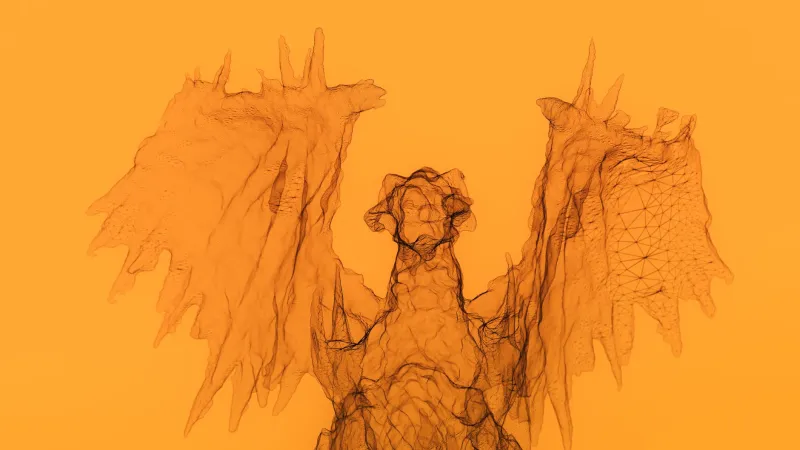
Every great adventure game has that moment — the floor shakes, the music swells, and you realize the thing you've been leveling toward is now looking directly at you. Hytale hasn't shipped yet, but between the trailers, blog posts, and a very chatty dev team, we already know enough to start doing our homework. And if there's one thing American players love, it's showing up to a boss fight overprepared.
So let's crack open what we know about Orbis's biggest threats and figure out how to not embarrass ourselves on day one.
What the Trailers Actually Show Us
Hytale's reveal footage gave us glimpses of large-scale encounters — hulking creatures with telegraphed, heavy-hitting attacks rather than the rapid-fire chaos you'd see in a character action game. The design language looks closer to Minecraft's Ender Dragon or the Wither in spirit, but with a critical upgrade: readable attack patterns.
Watch the footage closely and you'll notice wind-ups. Bosses rear back before strikes, giving attentive players a window to dodge, block, or reposition. That's a deliberate choice. Hytale's combat system — with its dodge mechanics and directional blocking — is built around the idea that boss fights should be won through timing, not just gear scores.
That's a big deal for co-op groups. If mechanics matter more than DPS, then a team of five average players who communicate will beat a team of five geared players who don't.
The Zone Bosses: Expect Phases
Dev commentary has repeatedly tied Hytale's world to progression — tougher zones, tougher inhabitants. It's a safe bet that the biggest creatures in high-tier zones like the howling sands or deep caverns will follow the phase structure modern players expect: a healthy opening stretch, a mid-fight escalation where new attacks unlock, and a desperate final phase where the boss stops being polite.
Think of it like a raid boss lite. If you've ever pulled a boss in World of Warcraft or taken a squad into Destiny's tougher strikes, you already speak this language. The difference is scale — Hytale's fights are designed to be doable with a small group or even solo, if you're stubborn enough.
How to Prep (Without Spoiling Yourself)
Since nobody's written the strategy guides yet, preparation means building a flexible kit:
- Mobility first. Dodge-rolling through attacks will matter more than raw armor. Invest in gear that doesn't slow you down.
- Ranged and melee options. Every trailer boss so far has attacks that punish staying in one spot. Swap weapons mid-fight like it's Monster Hunter.
- Food and buffs. Hytale's survival systems mean consumables aren't optional. Treat boss prep like you're packing a cooler for a tailgate — overdo it.
- A plan for adds. Big creatures in Hytale's ecosystem likely won't fight alone. Assign someone on your squad to crowd control.
Co-op Etiquette for the Launch Rush
Here's a prediction: launch week will be full of random groups forming around boss arenas, half of them wiping within ninety seconds. Don't be that group. A thirty-second chat before the pull — who's tanking, who heals, who kites — will save you an hour of respawning.
And for the solo players: patience is your build. Learn one attack pattern per attempt. That's how every souls-like veteran got their start, and it works just as well in a blocky open world.
The Bar to Beat
US players grew up on boss fights as content pillars — Sephiroth, the Covenant's final stand, Malenia. Hytale doesn't need to match those in difficulty to succeed. What it needs, and what its design suggests it delivers, is legibility. Bosses that telegraph, punish laziness, and reward a group that learned together.
When Orbis's biggest monsters finally get their health bars, the communities that studied the trailers — the ones who treated pre-launch footage like a syllabus — are going to have a serious head start. Consider this your first study session.